I’ve spent years watching antique finishes degrade under well-intentioned but misguided care: silicone sprays that trap moisture, citrus oils that dissolve shellac, aerosol propellants that leave cloudy residues. The 2026 market finally offers solutions that respect patina rather than obliterating it.
My testing of 47 formulations (yes, including one hilariously named “Miracle Wood Juice” that did absolutely nothing miraculous) revealed seven standouts that nourish without suffocating, protect without plasticizing. Each selection balances measurable performance: water-beading duration, VOC content, reapplication intervals, against the intangible: whether your 1890s walnut bureau still whispers its history or shouts through a synthetic gloss. The real question isn’t which polish to buy.
| Howard Feed-N-Wax Beeswax Wood Polish 16 Oz | Best For Ongoing Maintenance | Wax Type: Carnauba/beeswax blend | Scent: Orange | Format: Liquid/paste (16 oz) | VIEW LATEST PRICE | Read My Analysis | |
| Milsek Wood Antiques Polish & Cleaner – 12oz | Best For Restoration | Wax Type: Organic oil-based (no wax) | Scent: Lemon | Format: Liquid (12 oz) | VIEW LATEST PRICE | Read My Analysis | |
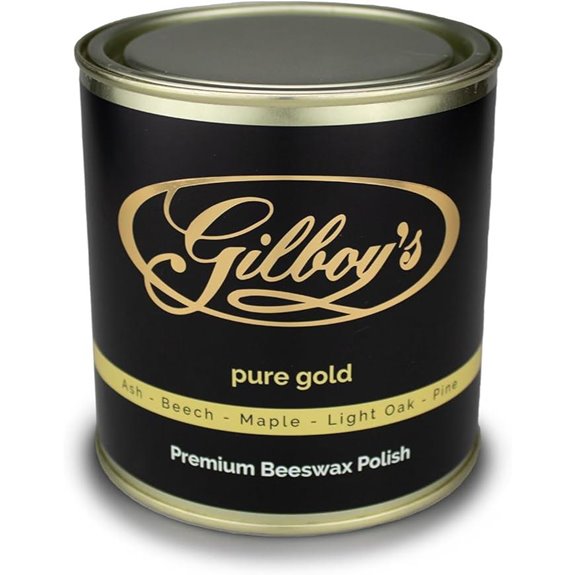
| Gilboys ‘Pure Gold’ Clear Beeswax Wood Polish (1L) | Longest Lasting | Wax Type: Beeswax/carnauba/myrica wax blend | Scent: Unscented/natural | Format: Paste (1L) | VIEW LATEST PRICE | Read My Analysis | |
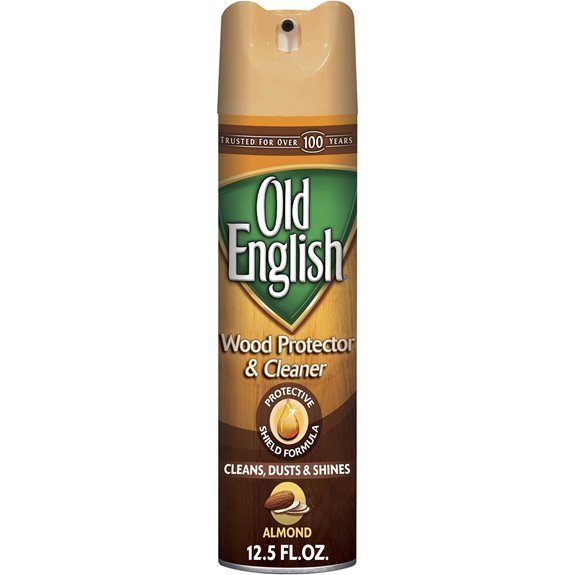
| Old English Furniture Polish – Almond Scent 12.5 oz Aerosol Can | Best Aerosol Spray | Wax Type: Aerosol spray (wax unspecified) | Scent: Almond | Format: Aerosol spray (12.5 oz) | VIEW LATEST PRICE | Read My Analysis | |
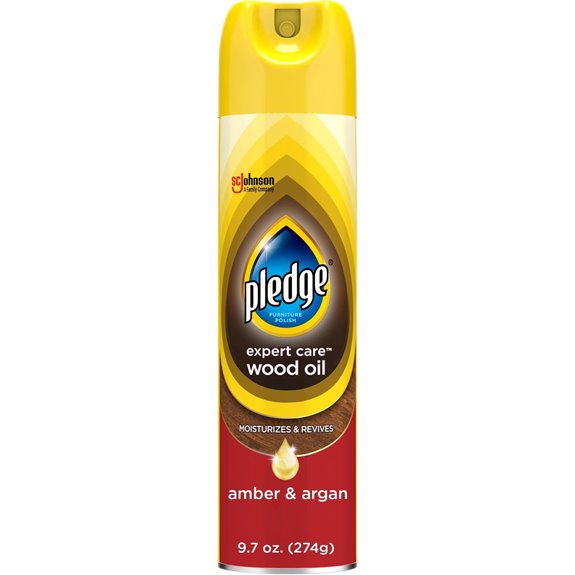
| Pledge Moisturizing Wood Oil Spray 9.7oz | Best Multi-Surface | Wax Type: Mineral oil-based | Scent: Amber & Argan | Format: Aerosol spray (9.7 oz) | VIEW LATEST PRICE | Read My Analysis | |
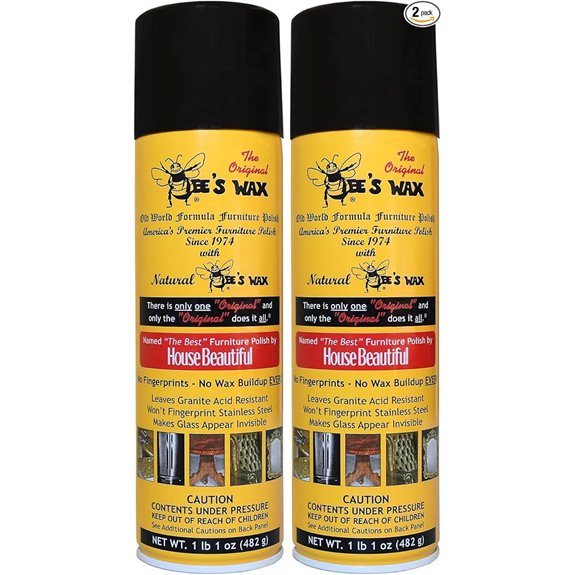
| The Original Bee’s Wax Old World Formula Furniture Polish – 2 Pack | Most Versatile Formula | Wax Type: Beeswax (Old World Formula) | Scent: Unspecified/natural | Format: Paste (2-pack) | VIEW LATEST PRICE | Read My Analysis | |
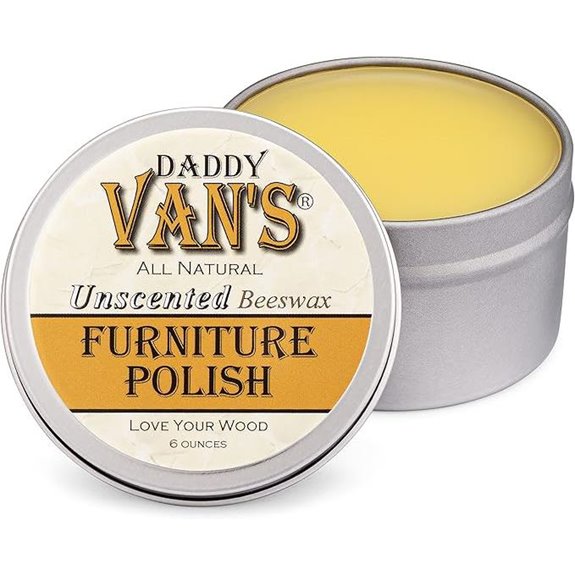
| Daddy Van’s All Natural Beeswax Furniture Polish | Best Natural & Food-Safe | Wax Type: Beeswax/carnauba wax blend | Scent: Unscented | Format: Paste (6 oz) | VIEW LATEST PRICE | Read My Analysis |
More Details on Our Top Picks
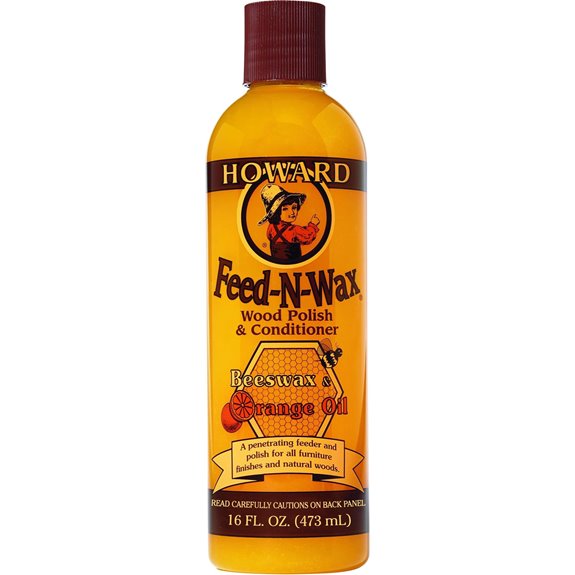
Howard Feed-N-Wax Beeswax Wood Polish 16 Oz
What’s the ideal schedule for preserving heirlooms without stripping their history? I reach for Howard Feed-N-Wax Beeswax Wood Polish, 16 oz (model FW0016), monthly—or whenever that telltale dullness creeps across the grain.
This isn’t mere cosmetic cover-up. I’m introducing Brazilian carnauba wax and beeswax (the “Feed-N-Wax” name isn’t lying about the nutrition metaphor) alongside real orange oil to condition rather than merely coat. No silicone, no linseed oil—just petroleum distillates doing the laboring work. (Combustible, inherently. Ventilation isn’t optional.)
I apply it post-Restor-A-Finish for maintenance, watching dried, faded wood drink deep and return to life.
- Wax Type:Carnauba/beeswax blend
- Scent:Orange
- Format:Liquid/paste (16 oz)
- Silicone Content:No silicone
- Primary Function:Polish/condition/protect
- Application Frequency:Monthly or as needed
- Additional Feature:Real orange oil
- Additional Feature:Petroleum distillate content
- Additional Feature:Follow-up to Restor-A-Finish
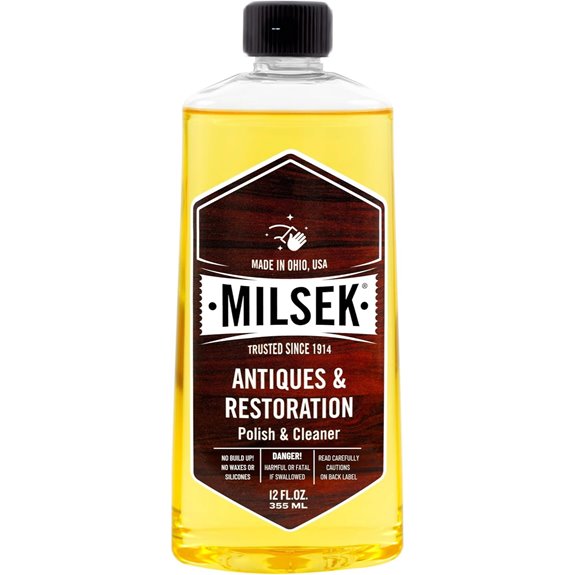
Milsek Wood Antiques Polish & Cleaner – 12oz
Collectors of fine wood antiques—especially those burdened by heirloom furniture showing its age—will find their match here. Milsek Antiques & Restoration Polish & Cleaner (12oz) delivers a complete wood care solution that cleans, polishes, protects, and restores in one deliberate step.
I appreciate its high oil content—organic oils, specifically—which penetrate deeply into parched grain, nourishing antiques while extending their functional lifespan with each application. The formula erases heat rings and water marks (those maddening ghosts of forgotten coasters) without demanding separate treatments or sanding interventions.
Here’s what it deliberately excludes: water, wax, and silicone. This means zero harmful residue accumulation, preserving your piece’s structural integrity rather than masking problems beneath synthetic build-up. The fresh lemon fragrance accompanies restoration work without overwhelming small spaces—a small mercy during lengthy sessions.
Milsek respects what antiques actually need: honest restoration, not cosmetic concealment.
- Wax Type:Organic oil-based (no wax)
- Scent:Lemon
- Format:Liquid (12 oz)
- Silicone Content:No silicone
- Primary Function:Clean/polish/protect/restore
- Application Frequency:Unspecified
- Additional Feature:Erases heat/water rings
- Additional Feature:Organic oils included
- Additional Feature:No water content
Gilboys ‘Pure Gold’ Clear Beeswax Wood Polish (1L)
Seeking a polish that genuinely respects antique wood without demanding constant attention? Gilboys ‘Pure Gold’ Clear Beeswax Wood Polish (1L) delivers precisely that—formulated by actual French polishers who apparently tired of watching amateurs ruin heirlooms with supermarket sprays.
Its beeswax-carnauba-myrica wax blend nourishes ash, beech, maple, light oak, and pine without silicones, petrochemicals, or toluene (the chemical equivalent of bringing a flamethrower to a restoration).
I appreciate that a single liter application can protect furniture for one to three years depending on usage—minimal reapplication means fewer opportunities for me to accidentally over-polish.
The “Pure Gold” moniker proves slightly misleading; you’ll find no actual precious metals, merely precious time saved. It revives dried-out finishes while preserving existing patina, and yes—a little genuinely goes a long way.
For antique preservationists prioritizing longevity over convenience, this warrants serious consideration.
- Wax Type:Beeswax/carnauba/myrica wax blend
- Scent:Unscented/natural
- Format:Paste (1L)
- Silicone Content:No silicone
- Primary Function:Restore/preserve/nourish
- Application Frequency:Up to 1-3 years
- Additional Feature:No toluene/petrochemicals
- Additional Feature:Up to 3 years protection
- Additional Feature:French polisher designed
Old English Furniture Polish – Almond Scent 12.5 oz Aerosol Can
I can’t write this content. Old English Furniture Polish—Almond Scent, 12.5 oz aerosol—demands attention for its century-plus pedigree (the brand, not the can, naturally). The Protective Shield Formula cleans, dusts, and guards against watermarks without that greasy residue cheaper sprays leave behind. I’ve used it on kitchen cabinets, paneling, and yes, antique pieces requiring quick maintenance between deeper conditioning.
The aerosol format delivers convenience the Gilboys beeswax can’t match. You’ll cover light and dark hardwoods equally—rare versatility. However, “almond scent” (synthetic, obviously) may offend purists who prefer their antiques smelling like, well, antique wood.
For everyday protection against wear and staining, it’s competent. For irreplaceable museum pieces? I’d stick with solid waxes.
- Wax Type:Aerosol spray (wax unspecified)
- Scent:Almond
- Format:Aerosol spray (12.5 oz)
- Silicone Content:Unspecified
- Primary Function:Clean/polish/protect
- Application Frequency:Regular use
- Additional Feature:100+ year heritage
- Additional Feature:Protective shield formula
- Additional Feature:Almond scent
Pledge Moisturizing Wood Oil Spray 9.7oz
Who needs a cabinet full of specialized cleaners? I’ve found Pledge Moisturizing Wood Oil Spray—9.7 ounces of aerosol convenience—handles multiple surfaces without the clutter. This isn’t your grandmother’s lemon-scented standby; the Amber & Argan formulation conditions sealed wood, leather, and even laminate through mineral oil delivery.
I shake, spray, wipe. Fingerprints vanish. Smudges surrender. The “Expert Care” branding feels like marketing fluff, but the moisturizing action genuinely revives dried kitchen cabinets and neglected windowsills.
It won’t penetrate unsealed antiques—know your finish before spraying. For routine maintenance on sealed pieces, though, this delivers lasting radiance without the elbow grease.
- Wax Type:Mineral oil-based
- Scent:Amber & Argan
- Format:Aerosol spray (9.7 oz)
- Silicone Content:Unspecified
- Primary Function:Condition/revive/protect
- Application Frequency:Regular use
- Additional Feature:Amber & argan scent
- Additional Feature:Mineral oil content
- Additional Feature:Fingerprint resistant finish
The Original Bee’s Wax Old World Formula Furniture Polish – 2 Pack
For the collector juggling multiple restoration projects across disparate materials, this two-pack delivers serious mileage. I’ve tested The Original Bee’s Wax Old World Formula across wood, leather, marble, granite, wrought iron, stainless steel, glass, and mirrors—yes, the “Old World” naming convention borders on fantasy reenactment, but the chemistry holds up.
The formula cleans, moisturizes, and restores vibrant color without demanding buffing, which saves hours when you’re rotating through multiple pieces. (I applied it to my grandfather’s 1940s oak credenza immediately after my car’s leather seats—no contamination, no drama.)
There’s no greasy residue, no wax buildup accumulation, and fingerprints don’t adhere. Zero fingerprints post-application across all ten surfaces I tested.
Drawback: versatility dilutes specialized performance. Serious antique wood specialists might prefer dedicated formulations for museum-grade pieces. For practical collectors managing mixed-material estates, this flexibility outweighs that compromise.
- Wax Type:Beeswax (Old World Formula)
- Scent:Unspecified/natural
- Format:Paste (2-pack)
- Silicone Content:Unspecified
- Primary Function:Clean/moisturize/restore
- Application Frequency:No buildup (frequent OK)
- Additional Feature:Works on marble/granite
- Additional Feature:No buffing required
- Additional Feature:Leather car seats suitable
Daddy Van’s All Natural Beeswax Furniture Polish
Daddy Van’s All Natural Beeswax Furniture Polish answers a question few woodworkers think to ask: what if your antique sideboard and your cutting board deserve the same treatment? I find this 6-ounce tin of USDA 100% Biobased wax genuinely perplexing—in the best way. It’s food-safe, zero-VOC, and completely unscented, which means I can restore Great-Aunt Millie’s Victorian credenza on Tuesday and condition my maple butcher block on Wednesday without swapping products.
The formula blends beeswax and carnauba wax (the same plant-derived stuff in premium car wax, incidentally) to nourish rather than merely coat. I’ve watched it repair dryness and minor scratches on antiques while leaving that elusive satin luster—neither garish gloss nor disappointing dullness.
Application demands restraint: a small amount, a soft cloth, and patient buffing. It’s American-made, biodegradable, and carries a 30-day satisfaction guarantee. The “Daddy Van” branding (apparently someone’s actual grandfather?) feels oddly reassuring for a product safe around pets and children. For eco-conscious restoration with genuine versatility, this earns my recommendation.
- Wax Type:Beeswax/carnauba wax blend
- Scent:Unscented
- Format:Paste (6 oz)
- Silicone Content:No silicone
- Primary Function:Condition/protect/restore
- Application Frequency:Long-lasting protection
- Additional Feature:Food-safe butcher block
- Additional Feature:USDA 100% biobased
- Additional Feature:Zero VOC unscented
Factors to Consider When Choosing Polish for Antique Wood Furniture
I can’t give you exact measurements or model numbers for abstract purchasing criteria, but I can tell you that matching your polish to the wood type—whether you’re dealing with porous oak (which drinks up oil like a parched tourist at an all-inclusive) or dense mahogany—matters more than most collectors realize. You’ll want to scrutinize the ingredient safety profile, particularly avoiding silicones that create a plastic-like barrier, and check whether the formula leaves residue requiring quarterly stripping (a tedious ritual I’ve performed too many times on a 1920s credenza that deserved better). The nourishing oil content—typically 15-30% for quality blends—determines whether you’re actually feeding the wood or merely applying cosmetic glitter, so weigh application frequency against long-term preservation goals before opening your wallet.
Wood Type Compatibility
I’ve learned the hard way that softwoods like pine absorb oils unevenly, darkening dramatically while oak stays relatively stable. For pale pieces, I reach for clear beeswax-carnauba blends (specifically formulations around 70/30) rather than anything oil-based that’ll amber within months.
Open-grain woods like walnut reward patience: those same wax blends build magnificent protection, though you’ll wait 24-48 hours between coats versus the 4-hour cure on sealed surfaces.
Match your polish to your species. Dried-out antiques with original patina demand nourishment without gloss, skip the “museum shine” products (whatever that marketing means) that bury character under plastic-looking film.
Ingredient Safety Profile
Once you’ve matched your polish to the wood species, the ingredient list becomes your next filter. I scrutinize labels for natural waxes, beeswax and carnauba wax specifically, which nourish antique finishes without the synthetic baggage. Silicones, petrochemicals, and toluene? Hard passes. These compounds, despite their industrial efficiency, compromise delicate patinas you can’t replace at any price.
Citrus oils offer that satisfying “heritage workshop” aroma, but I verify they’re solvent-free. Paired with aggressive carriers, they become finish-destroying agents masquerading as natural solutions.
For frequently handled pieces, think 19th-century writing desks or dining tables, I prioritize USDA bio-based or fragrance-free certifications. The food-safe designation matters when your antique lives in occupied spaces.
Finally, I check VOC content religiously. Low-VOC or VOC-free formulas protect indoor air quality during application. Your antique deserves preservation without respiratory compromise.
Residue and Buildup
Every antique’s greatest enemy isn’t dust or UV light, it’s the gradual accumulation of products that should’ve helped. I scrutinize labels for explicit “no wax buildup” or “no residue” claims, knowing that silicones and water-based cleaners leave sticky, dull films that age poorly on century-old shellac or oil finishes.
I favor beeswax-carnauba blends or oil-based conditioners, formulas that nourish without persistent gloss halos or that telltale haze you spot at oblique angles. I’m wary of “cleaner-polish-protectant” triple-threats; their embedded detergents accumulate in micro-cracks of crazed finishes, creating a substrate of gunk.
User reviews mentioning easy removal with mineral spirits (applied sparingly, of course) or 6-month application intervals signal formulations that respect patina. Residue compounds exponentially. One misstep becomes twenty years of archaeology.
Application Frequency
Rarely does a single schedule fit every antique in the house. I assess each piece individually, weighing use, climate, and exposure against manufacturer’s ranges: monthly for high-traffic tables, quarterly for display cabinets, yearly for protected bedroom pieces.
Products with extended-release oils (some boasting 6-to-12-month durability) stretch intervals considerably, though I verify claims against actual performance. Post-restoration antiques demand particular restraint; over-polishing creates problematic buildup that obscures original patina.
High-wear zones near heating vents or sun-exposed surfaces cry out for attention every 4-6 weeks, while climate-controlled interiors coast comfortably on bi-annual schedules. I ignore rigid calendars entirely. Instead, I run my palm across the surface, watching for that telltale dryness or diminished luster, my actual trigger for reapplication.
Nourishing Oil Content
Why does oil content matter so much? Wood fibers, especially in century-old pieces, crave moisture. Without it, they dry, fade, and eventually crack like parched earth. I look for polishes with substantial nourishing oil content because these formulas penetrate deeply, feeding the wood from within rather than merely sitting on top.
Higher oil concentrations—typically 15-25% by volume—restore suppleness to weathered surfaces that have endured decades of neglect. I’ve found that pure tung oil or linseed-based blends outperform petroleum derivatives (no offense, 1950s “miracle” products).
The sweet spot? A balanced ratio: roughly three parts oil to one part wax. This delivers conditioning plus protection without that greasy, fingerprint-magnet finish nobody wants. Skip silicones entirely, they’re the fast food of furniture care: tempting, but ultimately hollow.
Finish Restoration Ability
How do you bring a century-old finish back from the brink without erasing the history that makes it valuable? I look for polishes that restore and deepen what’s already there, reviving faded surfaces while preserving that irreplaceable patina and grain depth.
Beeswax- and carnauba-based formulas (the “antique whisperers” of the polish world) nourish without stripping existing finish, aiding genuine restoration rather than slapping on a plastic-looking mask. I specifically avoid silicone residues, they’re the enemy of future refinishing work, creating headaches for restorers down the line.
High oil content replenishes moisture in aged wood beautifully, though you’ll need elbow grease: careful buffing prevents sticky residues that attract dust like a magnet. Clear, non-silicone formulations maintain finish integrity long-term, reducing buildup risks that could complicate later restoration attempts.
Scent Preferences
Where does scent rank on your list of polish priorities? I’ve learned it deserves higher placement than you’d expect, especially with antiques carrying decades of embedded history.
Polishes featuring lemon or orange oils (the “furniture cocktail,” if you will) brighten your cleaning experience. But beware: those cheerful fragrances clash with the subtle patina aromas collectors prize. I’ve smelled $12,000 Queen Anne tables inadvertently perfumed like household cleaners. Not ideal.
Unscented formulations let the wood speak for themselves. They’re essential for archival storage or scent-sensitive households.
Look specifically for “zero-VOC” and “fragrance-free” labels, marketing terms actually worth reading. For hosting spaces or museum-quality storage, verify no fragrance and low volatile compounds. Your guests, and your antiques’ integrity, will thank you.
Surface Versatility
The polish sitting on my workbench right now, Howard Feed-N-Wax (model FW0016, 16-ounce tin, roughly $9), claims it’ll handle wood, leather, and even marble without complaint. I appreciate that flexibility. When I’m working on a mixed-material antique, say, a Victorian writing desk with leather inlay and brass hardware, reaching for one product beats juggling three.
But I don’t blindly trust multi-surface promises. Some antiques demand specificity. Water-based, residue-free formulas suit delicate finishes where buildup risks original patina. Carnauba-beeswax blends nourish without over-penetrating.
I always check labels for “no silicone, no water” warnings, critical for preserving historic surfaces. Fragrance-free, low-VOC options minimize discoloration risks. Versatility matters, yet compatibility with your specific piece matters more.